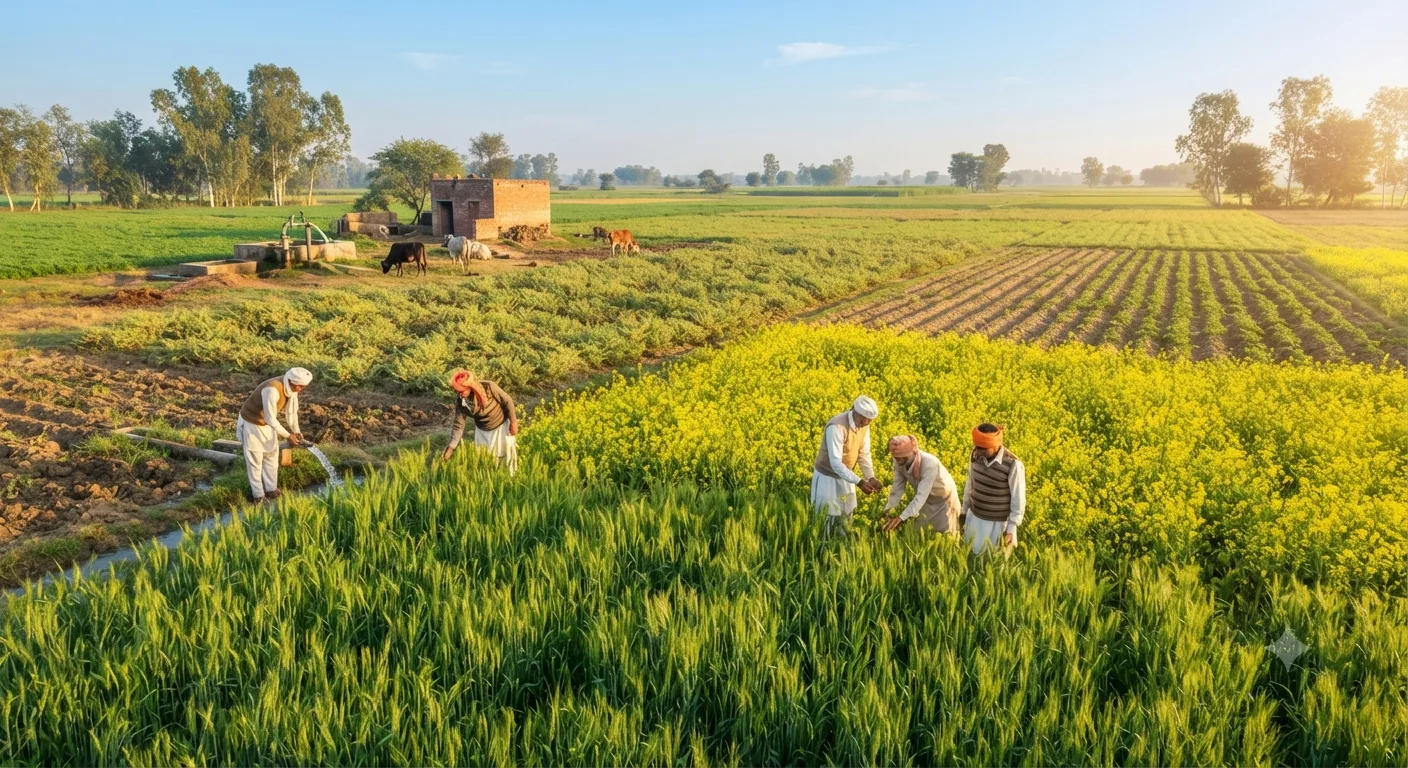
How to Take Care of Domestic Animals (Cattle, Buffaloes & Pets): A Complete Guide
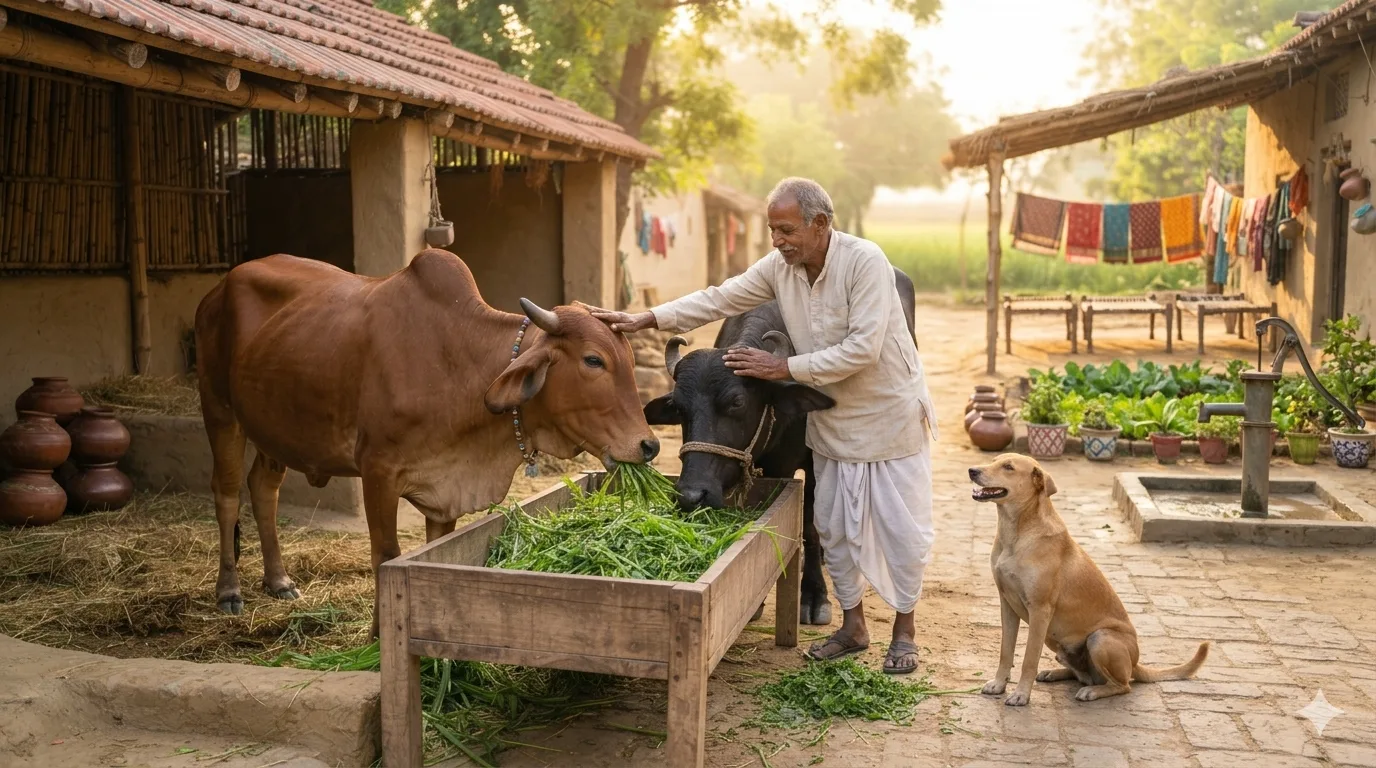
In India, animal husbandry is not just a business; it is an integral part of our rural and domestic culture. Whether you raise dairy cattle like cows and buffaloes or keep a guard dog at home, taking proper care of them is our primary responsibility. Healthy animals not only provide better yield but also keep the family safe from zoonotic diseases. Here is how you can provide the best care for your domestic animals according to Indian weather and conditions:
- Balanced and Nutritious Diet
For good health and better milk production, simply filling an animal's stomach is not enough; they need a well-balanced diet. • Fodder Management: An adult dairy animal should be given an adequate mix of dry fodder (bhusa) and green fodder daily. Chopping the fodder (kutti) before feeding reduces wastage and improves digestion. • Concentrates and Mineral Mixture: Give lactating animals concentrated feed (oil cakes/khal, cottonseed/binola, bran/chokar) based on their milk yield, along with 50 grams of mineral mixture daily. • Clean Water: Provide clean, fresh water at least 3 to 4 times a day. Ensure that the water trough or tank is cleaned regularly so algae does not build up.
- Shelter and Hygiene
Dirt and dampness are the biggest causes of illness in animals. • Airy and Dry Shed: Keep animals in a shelter that receives adequate sunlight and has proper ventilation. Make sure the floor stays dry and free from mud. • Regular Cleaning: Ensure proper drainage for dung and urine. Sprinkle lime (chuna) or use animal-safe disinfectants in the shed at least twice a week to prevent flies, mosquitoes, and ticks from breeding.
- Seasonal Care (Especially in Winter)
The weather in India changes rapidly, directly impacting animal health: • Protection from Cold: During winter, cover the open sides of the animal shed with tarpaulin or jute sacks to block direct cold winds. Spread paddy straw (pual) or dry grass on the floor to insulate them from the cold ground. • Warming Diet: To maintain body heat during winter, include jaggery (gur), mustard oil cake (sarson ki khal), cottonseed, and pearl millet (bajra) in their diet. Never give them stale or overly cold water; always offer fresh water.
- Vaccination and Health Checkups
Prevention is always better than cure. Timely vaccination protects animals from life-threatening diseases. • Essential Vaccines: With the help of a government veterinary hospital, get your livestock vaccinated on time against diseases like Foot-and-Mouth Disease (FMD), Hemorrhagic Septicemia (HS), and Black Quarter (BQ). If you have a dog or cat at home, ensure they get their Anti-Rabies vaccine regularly. • Deworming: Administer deworming medication every 3 to 6 months on a veterinarian's advice. This ensures that the nutrients from their food are properly absorbed by their body.
- Special Tips for Household Pets (Dogs, Cats, etc.)
If you have a pet dog or cat at home, keep these points in mind: • Never feed them chocolate, excess sweets, deep-fried foods, or spicy meals. • Keep their feeding bowls and bedding separate from household items. • Take them for daily walks and ensure regular physical exercise to prevent obesity and lethargy.